August 27, 2026
From Roadmap to Reality: The 2026 Circular Manufacturing Industry Annual Event
June 19, 2026
Eight roadmaps for various product groups within the manufacturing industry; over the past year and a half, public and private stakeholders have been collaborating on a joint agenda. At the Circular Manufacturing Industry Annual Event, held on June 17 at De Kas in Woerden, the focus was on the next step: how companies, the government, and research institutions will work together to implement these roadmaps. The enthusiasm was palpable in the sold-out hall. Participants could relate to the practical examples, and at the same time, there was a keen awareness of what still needs to be done: in some areas, legislation and regulations; in others, quality standards or central coordination within the product group.
Diana de Graaf, director of the Circular Manufacturing Industry Foundation, set the tone right away; a survey by the Metaalunie of 100 metal companies in South Holland shows that 85 percent of those companies already perform repairs, 67 percent use secondhand parts, and over 60 percent engage in recycling. A survey of manufacturing companies in Overijssel confirms this picture: 90 percent of companies in the manufacturing industry are already taking some action toward circularity.
Ambition, Guts, and Funding
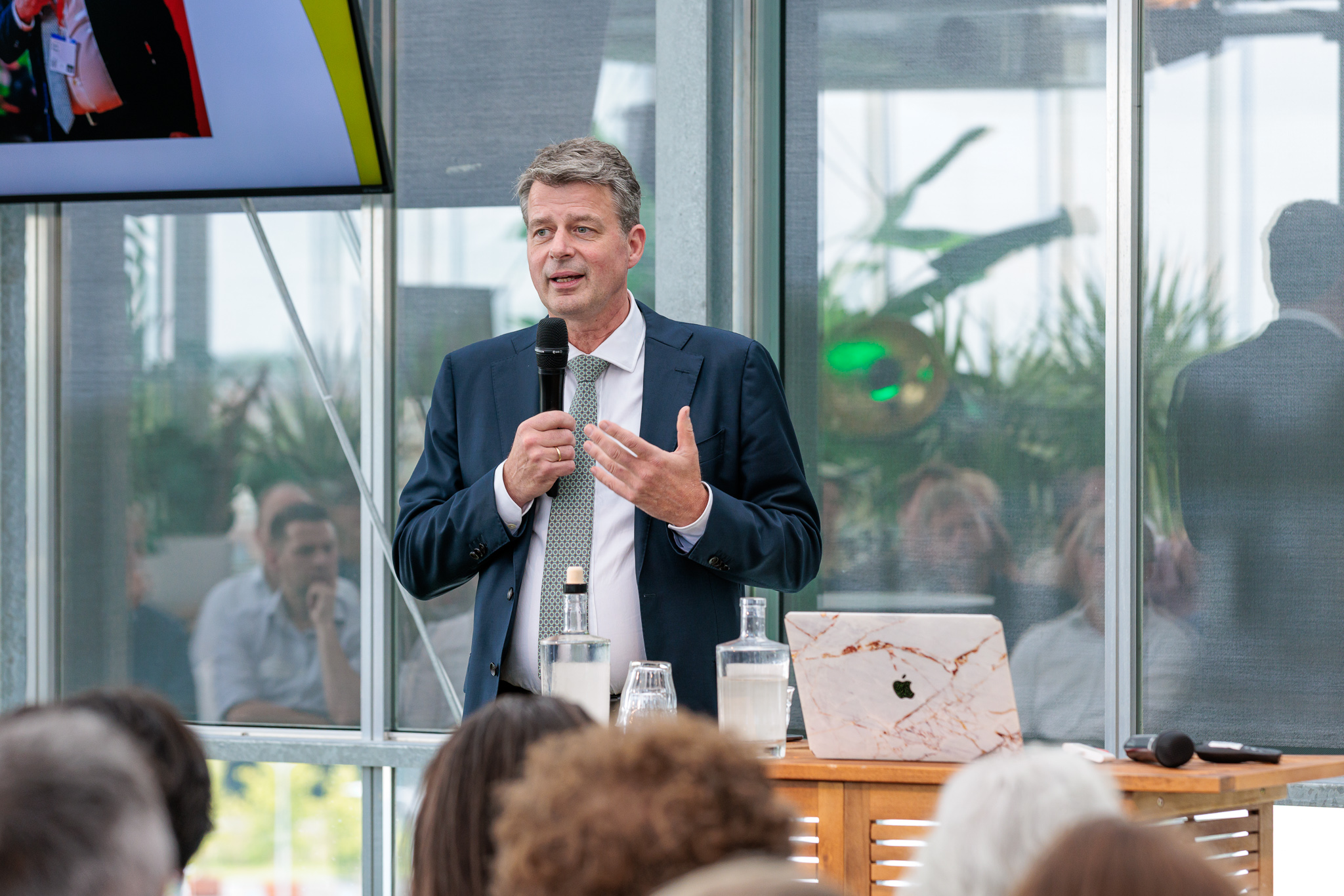
Erwin Nijsse, Director-General for Business and Innovation at the Ministry of Economic Affairs and Climate Policy, highlighted the government’s role in this implementation effort in his remarks. His message was succinct: “That requires ambition. That requires courage. That requires funding.” He emphasized the government’s role as a “launching customer”: as a buyer, the government can help kick-start the market.
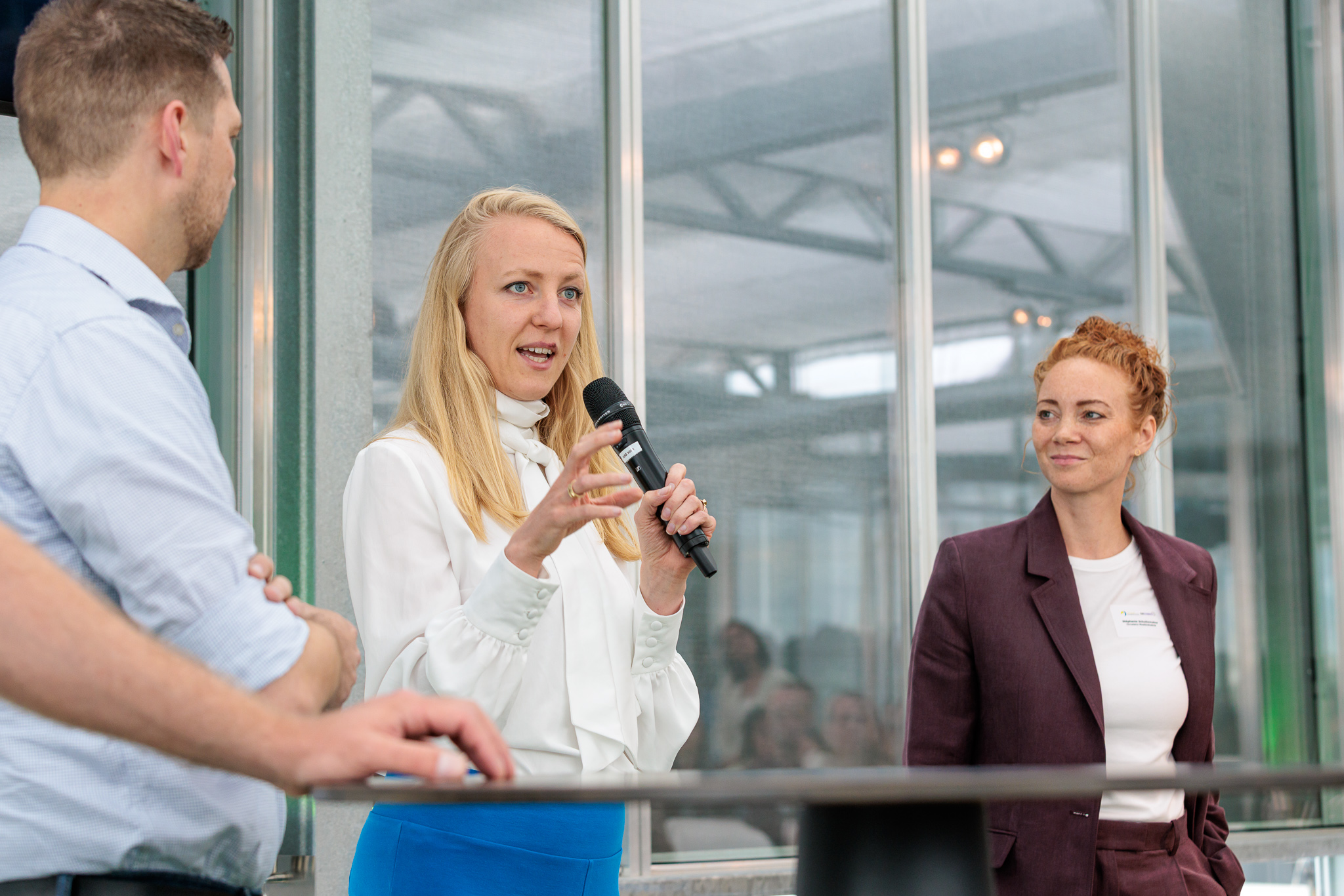
In the panel discussion that followed, moderated by chairperson Stéphanie Schuitemaker, this implementation challenge took on a more concrete form. Harald Tepper (Director of Sustainability at Philips and Chair of the Mechanical Engineering Roadmap) offered the industry’s perspective: materials have “become a strategic resource” and should be part of every company’s risk agenda. His message on supply chain collaboration was clear: “It doesn’t work to think from within your own ivory tower,” said Tepper. By organizing the supply chain collaboratively, new partnerships emerge, sometimes with suppliers in a role different from the traditional supplier-customer relationship. This benefits the competitive position of both the company and the country.
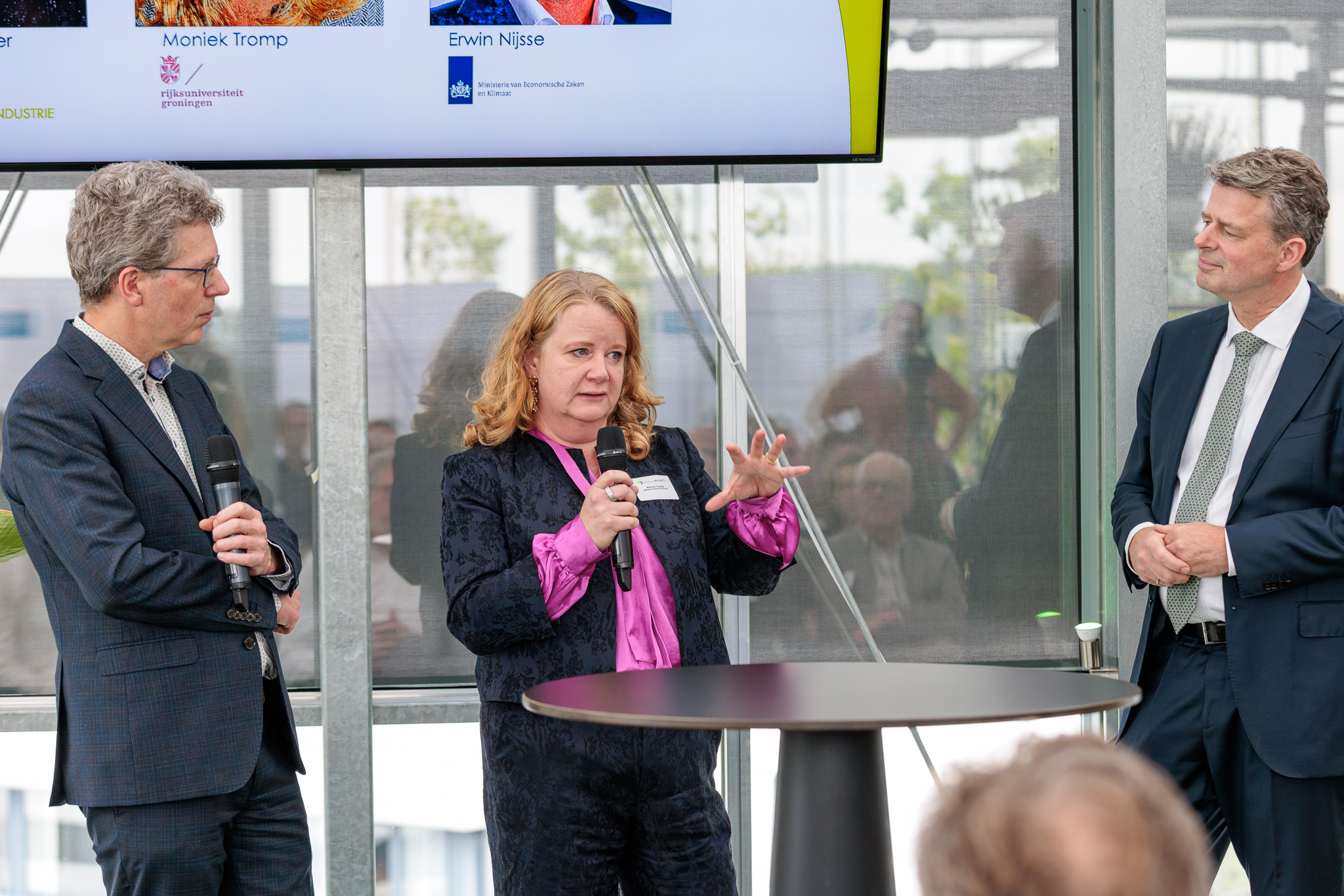
From a purely innovative perspective, Moniek Tromp (Director of the Zernike Institute for Advanced Materials at the University of Groningen and Chair of the Battery Roadmap) identified the bottleneck in scaling up: “Not everything we’re planning to do for the first time will necessarily be cost-effective, so we need to work together to figure out how to tackle that.”
In the discussion itself, Nijsse took a more decisive stance than in his opening remarks: focusing more specifically on areas where Europe can truly make a difference, with market development as the most important factor and the classification of waste materials as a specific regulatory bottleneck.
During the program, the white paper“Managing Value Across the Product Lifecycle”—developed by BOM and OostNL as part of the DACE initiative for digitization and automation in the circular economy—was also presented to Nijsse. Iris Grobben accepted the first copy on behalf of Circonnect.
In Practice: Circularity at Ahrend
Dionne Ewen, Manager of Sustainability & ESG at Koninklijke Ahrend, brought this daily practice to life in her presentation. The company has been working on circularity for some time and has explored various approaches in this area. According to Ewen, the greatest potential for Ahrend lies in retrofitting—adapting existing products to new requirements—in addition to the economies of scale achieved through large volumes.
For example, the Luvia—one of Ahrend’s best-selling office chairs—no longer meets current ergonomic standards, but with a new backrest made from recycled material, it can last for years to come. This means that for Ahrend, circularity is not a niche application, but an issue that affects the entire company. Not every product is returned to Ahrend after use, and as customers increasingly opt for refurbished products, this also affects new product sales.
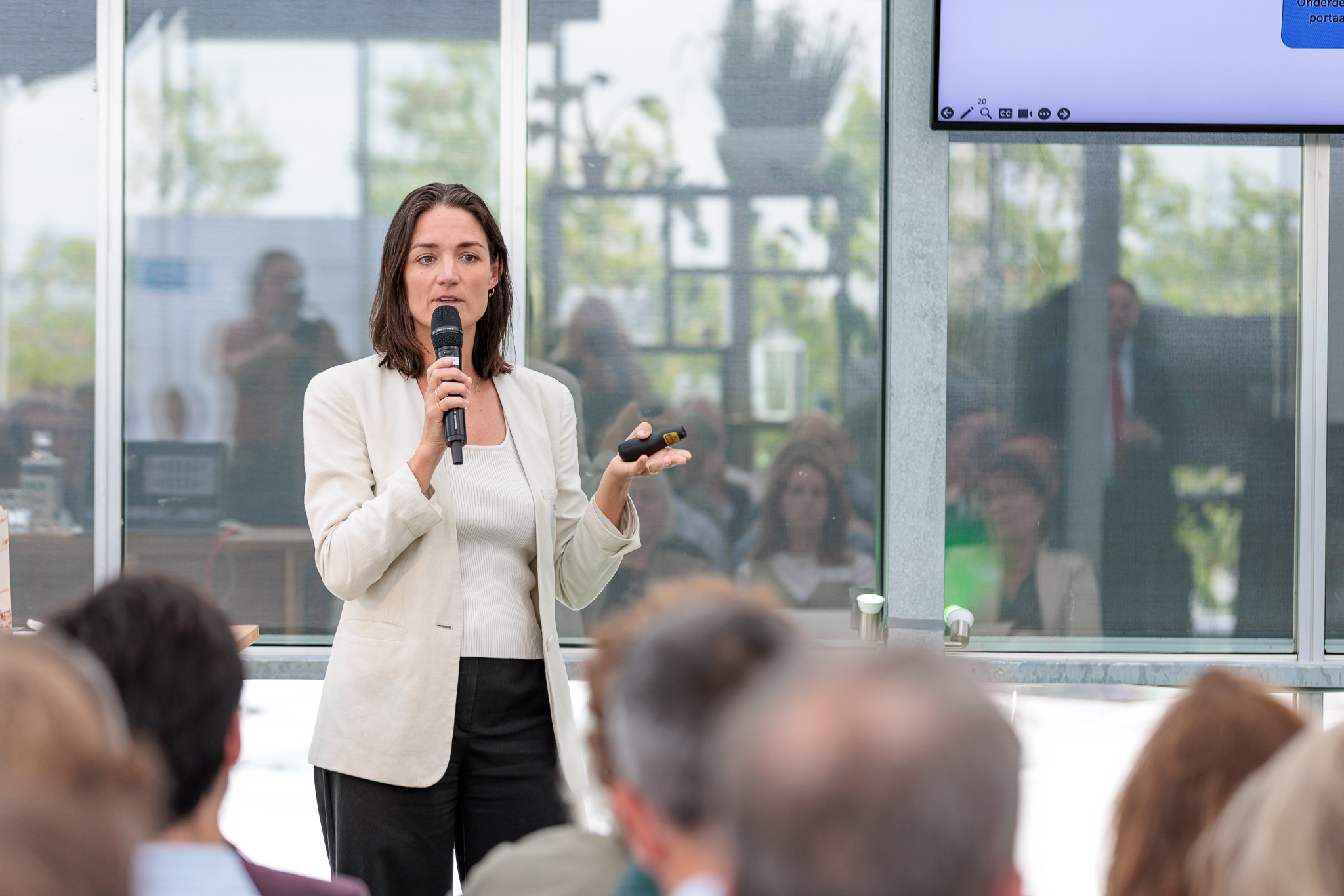
Two questions from the audience brought this issue into even sharper focus. In response to a question about the growth of “as-a-service” models, Ewen noted that procurement processes are still holding this back: quality criteria that distinguish between remanufactured, refurbished, and repaired products are still lacking. A follow-up question suggested a buyback guarantee as a solution, but according to Ewen, companies are not allowed to include a buyback clause in their bids. These are very concrete real-world examples that legislation should address.
The breakout sessions: product groups on the move
After the plenary session, participants chose their own tracks. In the first round, participants discussed the roadmaps for five product groups: Mechanical Engineering, Maritime Manufacturing, HVAC, Solar PV, and Offshore Wind.
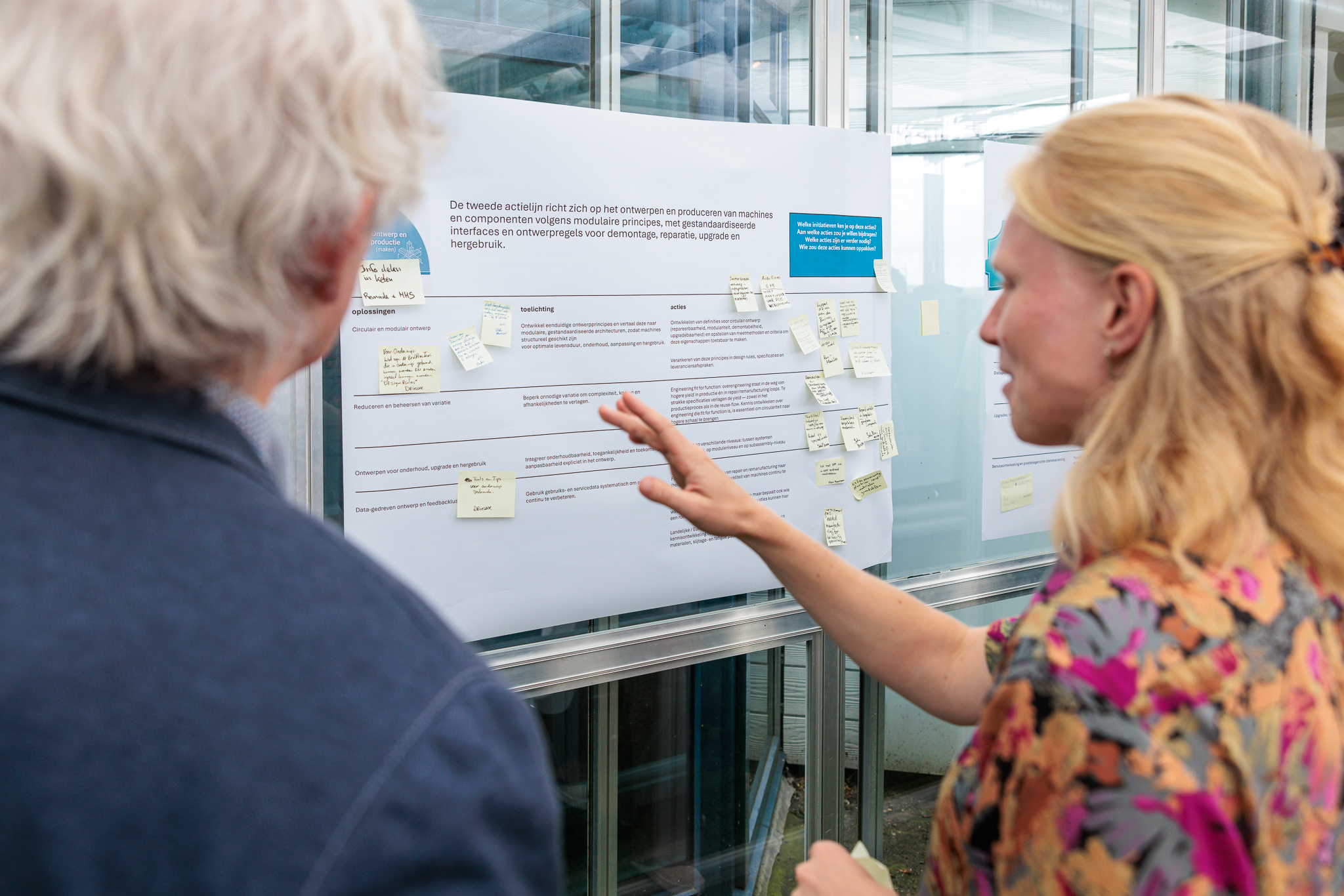
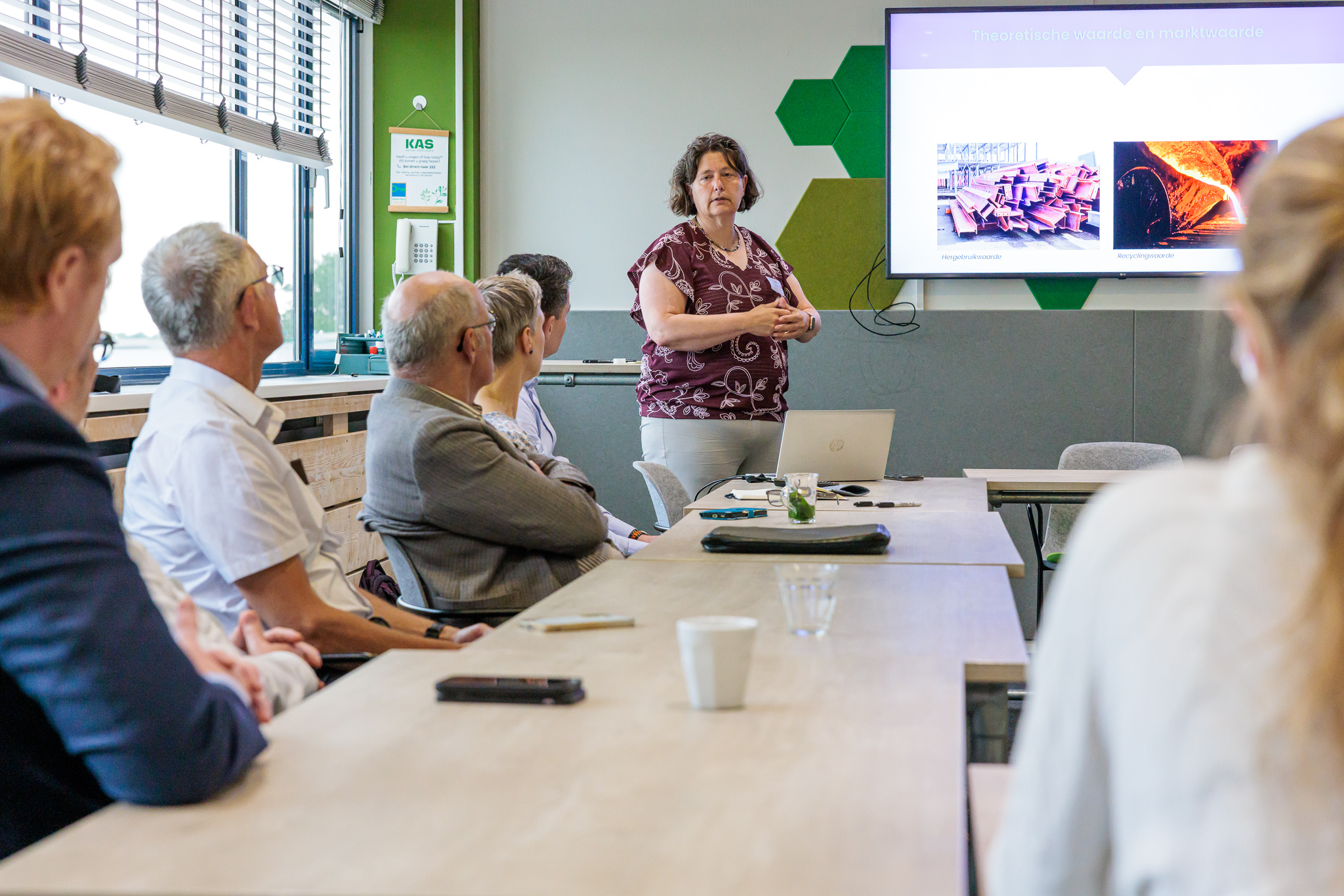
In the second round, there were several sessions focused on Circonnect’s practical tools. Hans van der Steen discussed the role of the Raw Materials and Product Passport in supply security and circular design. During the session on the Residual Value Tool, participants—led by Jeannette Levels (Circonnect expert team)—discovered how insight into reuse and recycling value contributes to circular business models. During the session on the Benchmark for Circular Climate Control Systems, participants worked with supply chain partners to take the first steps toward establishing clear benchmarks. There was also a session on digitization (Jan Westra and Pepijn Rinzema), and a session by MaakLos on remanufacturing as a new source of revenue.
Innovation Agenda for the Manufacturing Industry
The common thread that Iris Grobben highlighted at the end of the day: Roadmaps are not an end in themselves, but rather an innovation agenda through which public and private sector stakeholders can work together to address issues related to competitiveness, security of supply, and the practical organization of circular supply chains.
Making better use of what is already in use, as Ahrend demonstrates; integrated design; strategically choosing where critical raw materials deliver the most value; and using data as a starting point for risk insight: these were precisely the themes that came up repeatedly in the conference rooms that day.