23 september 2026
Tweelingstransitie in de praktijk: zo versterken digitaliseren en circulariteit elkaar
03 december 2025
De Netwerkdag Digitaal & Circulair georganiseerd door Circonnect in samenwerking met het Versnellingshuis bracht professionals uit bouw, maakindustrie, textiel en overheid samen rond de vraag hoe data kan bijdragen aan zowel digitalisering als circulariteit. De tweelingstransitie vraagt om nieuwe denkwijzen, systematische processen en ketensamenwerking.
Tijdens het centrale panel werd duidelijk dat organisaties de urgentie voelen, maar ook de complexiteit ervaren: investeren in datagedreven processen kost tijd en middelen, terwijl de baten vaak pas in de hele keten zichtbaar worden. Toch overheerste het optimisme. Wanneer data gestructureerd en betrouwbaar wordt toegepast, ontstaan kansen voor procesoptimalisatie, nieuwe marktmodellen en een lagere milieu-impact.
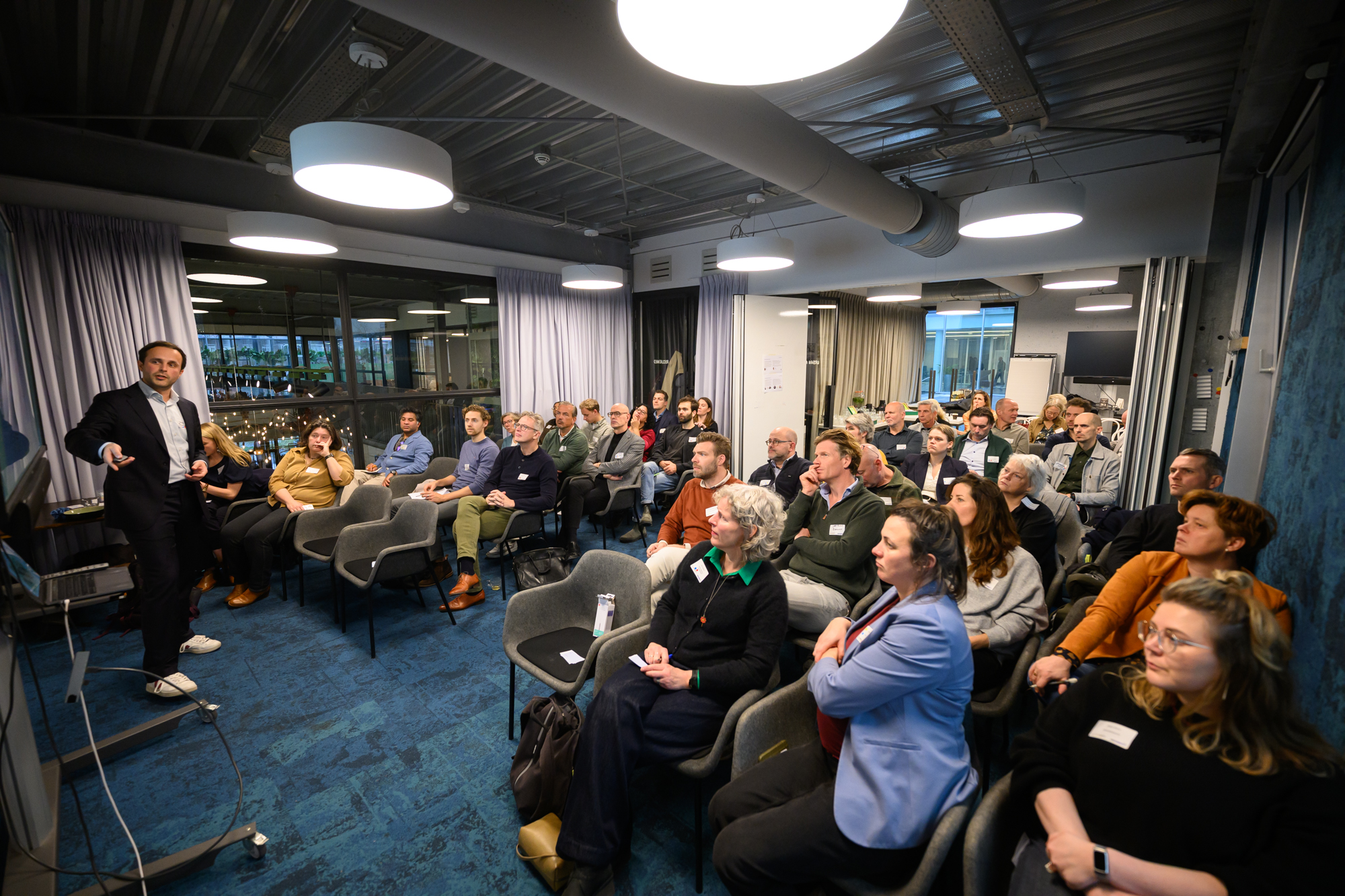
Sectoren versnellen door samenwerking en standaardisatie
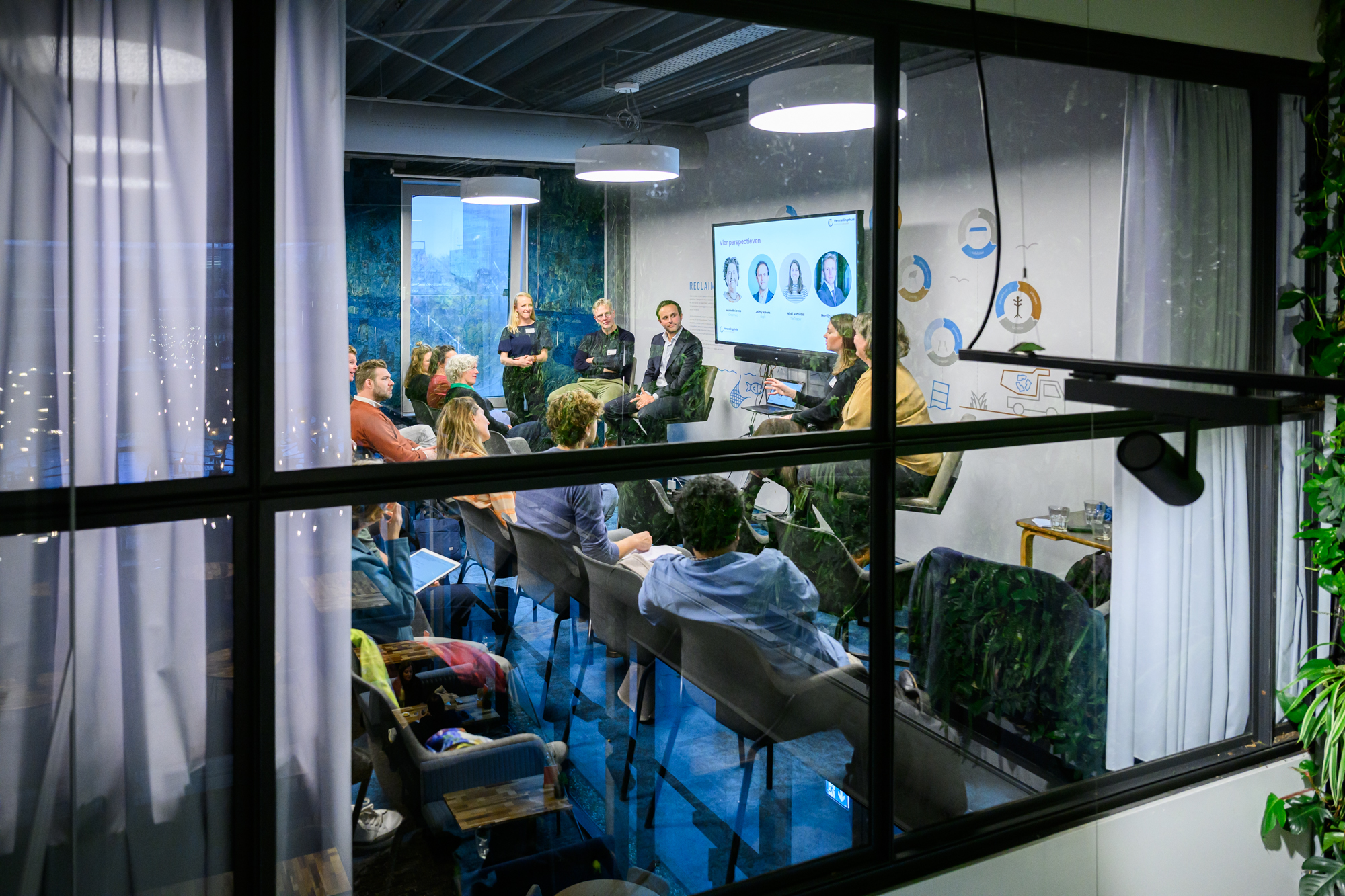
De dag begon met een reeks van vier perspectieven waarin experts vanuit hun dagelijkse praktijk deelden hoe digitalisering en circulariteit elkaar in de praktijk versterken:
Jeannette Levels (Circonnect) liet zien hoe bedrijven digitalisering kunnen inzetten om concrete circulaire strategieën te ontwikkelen, van slimme sensoren voor onderhoud en levensduurverlenging tot businessmodellen die materiaalgebruik verlagen. Ze benadrukte het belang van toepasbare tools en ketenstandaardisatie om data écht bruikbaar te maken.
Jaimy Nijnens (DigiC/ Route Circulair) toonde hoe digitalisering de basis vormt voor dominante ontwikkelingen in de bouwsector. Via voorbeelden als parametrisch ontwerpen en gebiedsgerichte materialenpaspoorten werd zichtbaar dat digitale oplossingen niet alleen het ontwerpproces versnellen, maar ook “first time right”-beslissingen ondersteunen waarmee CO₂-impact en faalkosten worden verminderd.
Nikki Admiraal (Tex.Tracer) presenteerde hoe radical transparency in de textielketen kan worden gerealiseerd via stap-voor-stap supply chain tracking, authenticatie en blockchain-notarisatie. Door primaire brondata vast te leggen – van T1 tot T4 leveranciers – kunnen merken voldoen aan ESPR/DPP-eisen en inzichten krijgen in circulariteits- en duurzaamheidsparameters.
Martijn Oostenrijk (Madaster) liet zien hoe materiaal- en productdata gekoppeld aan assetdata organisaties in staat stellen om te sturen op circulariteit, milieu-impact en financieel rendement. Cases uit infrastructuur bewezen dat integraal gebruik van materiaalpaspoorten leidt tot kortere doorlooptijden, lagere kosten en aantoonbaar betere milieuprestaties.
Deze vier perspectieven maakten duidelijk dat versnelling pas mogelijk is wanneer datakwaliteit, standaarden en ketensamenwerking hand in hand gaan. Hoe dat precies in zijn werk kan gaan, werd duidelijk tijdens het opvolgende panelgesprek.
Een geïntegreerde grondstofadministratie is cruciaal
In het panel werd duidelijk dat veel organisaties hun product- en materiaaldata nog niet volledig op orde hebben, waardoor informatie versnipperd raakt en juist de ad-hoc vragen toenemen. Een geïntegreerde grondstofadministratie, vergelijkbaar met financiële systemen, biedt structuur en maakt snelle en betrouwbare besluitvorming mogelijk. Transparantie en standaardisatie van KPI’s zijn daarbij essentieel: ze geven bedrijven de ruimte om systemen te koppelen, ketenbrede samenwerking vorm te geven en circulaire initiatieven rendabel te maken.
Tegelijkertijd werd benadrukt dat digitalisering ook spanningen kan veroorzaken, bijvoorbeeld bij sensoren of chips die producten weliswaar traceerbaar maken, maar zelf ook weer extra grondstoffen vergen.
De rode draad: echte vooruitgang ontstaat wanneer individuele optimalisatie plaatsmaakt voor ketenmodellen waarin hergebruik, demontage en waardebehoud centraal staan.
Praktische uitdagingen op tafel
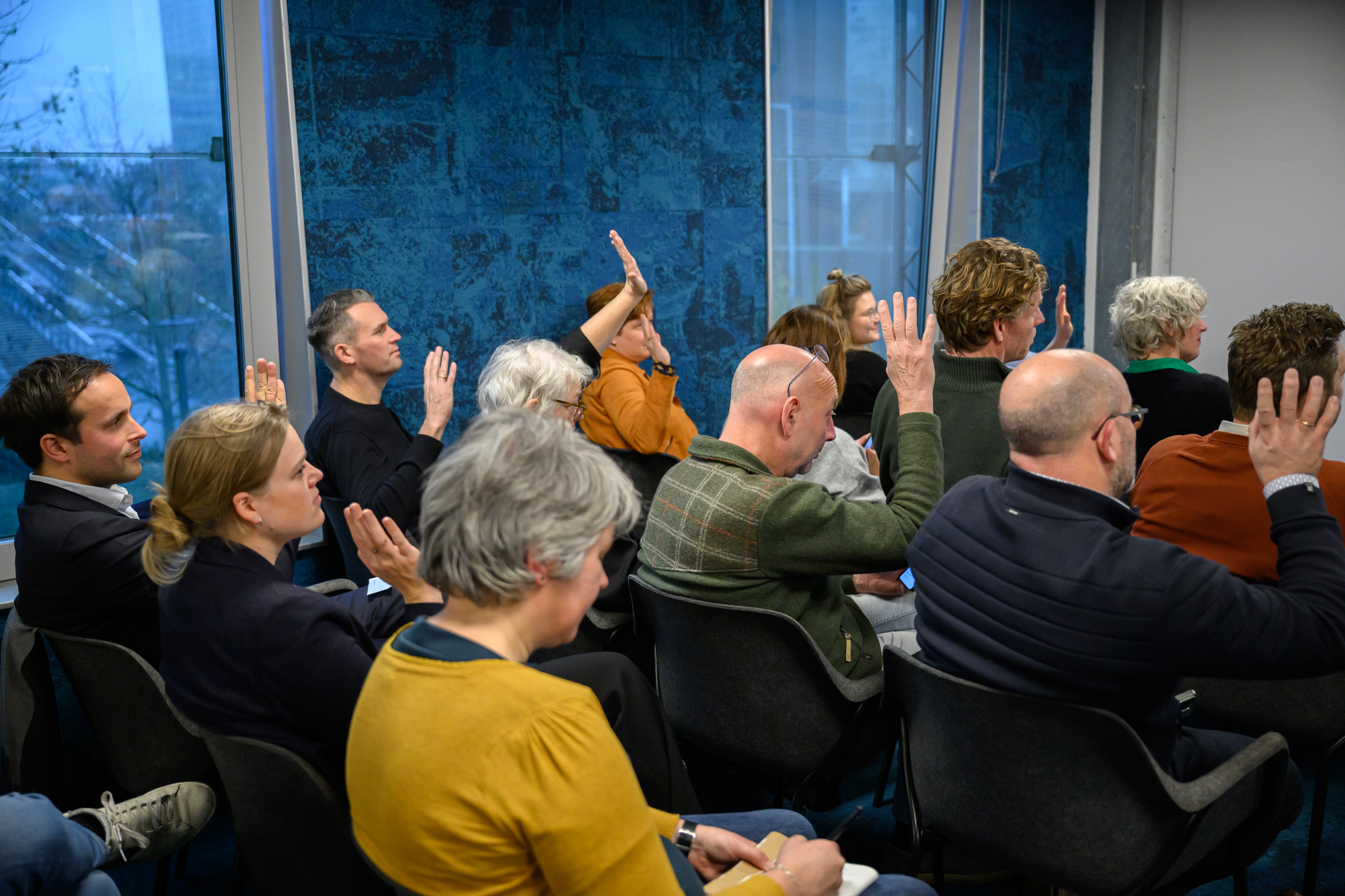
Na het panelgesprek werd de vertaalslag gemaakt naar de dagelijkse praktijk met vragen uit het publiek. Bijvoorbeeld: Op welke manier kunnen materialen aan het einde van hun levensduur op de juiste manier kunnen worden gedemonteerd en verwerkt? – Diana de Graaf (Circulaire Maakindustrie). Het panel legde uit dat transparantie en inzicht in materiaaldata de basis vormen, en dat financiële prikkels en samenwerking binnen bouwteams en ketens essentieel zijn om hergebruik daadwerkelijk rendabel te maken.
Maurice Berix (Strategisch Adviseur Circulair Zuid-Holland) vroeg zich af of de focus op efficiency als motief voor digitalisering er niet voor zorgt dat de aandacht uitgaat naar optimalisatie en juist de systeemverandering buiten scope blijft. In gesprek met het panel en de zaal werd duidelijk hoe data kan positief bijdragen aan gezamenlijke businessmodellen. Veel circulaire oplossingen zijn immers alleen rendabel wanneer kosten en opbrengsten over de keten worden gedeeld, en dat verdere standaardisatie en regelgeving nodig zijn om deze modellen breed te implementeren. Door dit gezamenlijk te activeren, wordt ook de systeemverandering in gang gezet.
Van inzicht naar concrete toepassing in de workshops
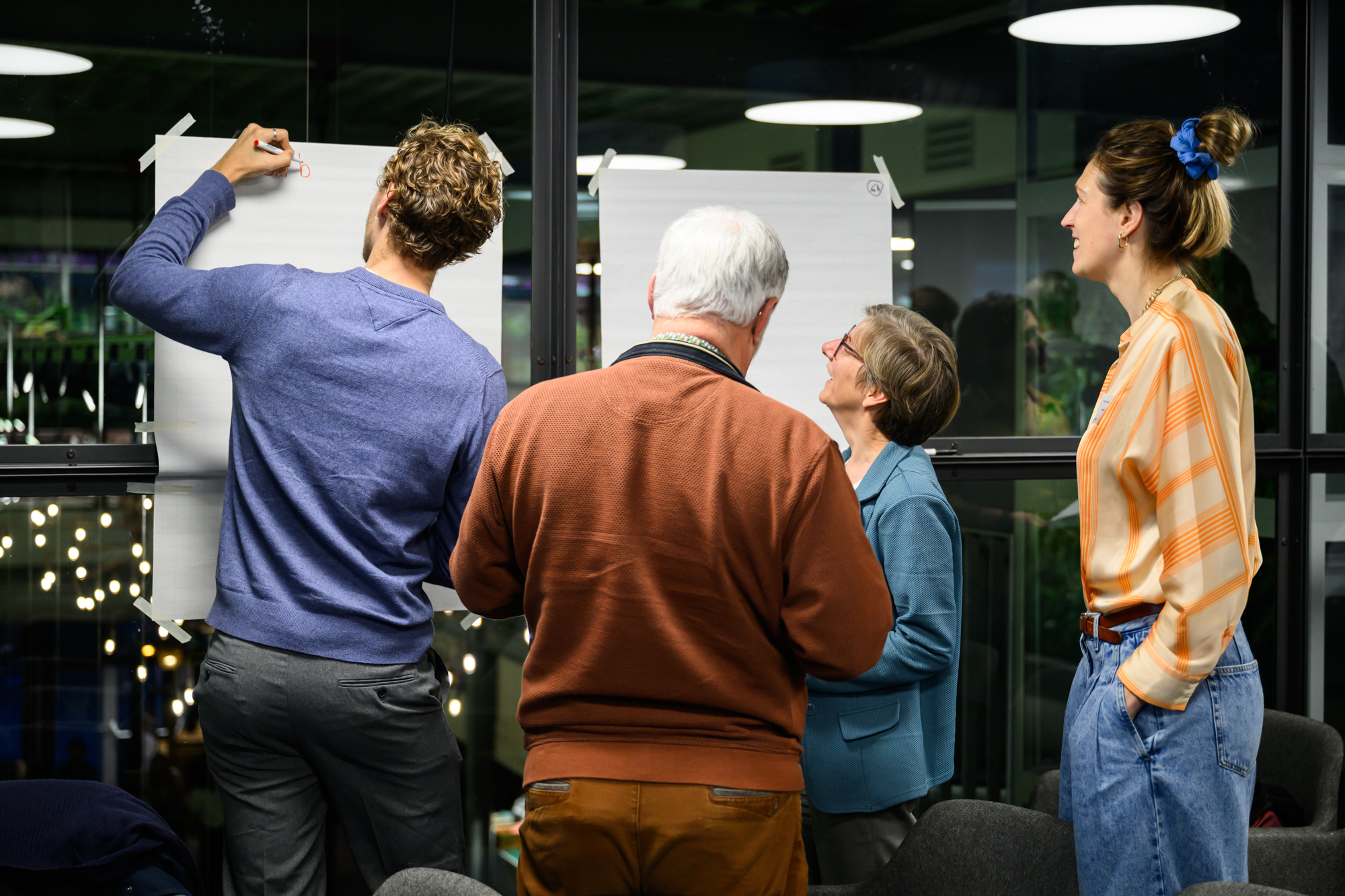
Tijdens de deelsessies konden deelnemers de koppeling maken tussen data-inzicht en praktische toepassing in vier verschillende workshops:
Data t.b.v. Urban Mining Zon-PV (Robin Quax, TKI Urban Energy)
Deelnemers ontdekten hoe een real-time monitoringsysteem voor zonnepanelen inzicht geeft in de volledige installed base: locatie, vermogen, type en technische staat. Deze informatie is essentieel om de urban mine te ontsluiten en te voorspellen wanneer zonnepanelen vrijkomen voor hergebruik of recycling. De sessie liet zien dat dergelijke modellen ook toepasbaar zijn op andere productgroepen binnen de circulaire grondstoffenketen.
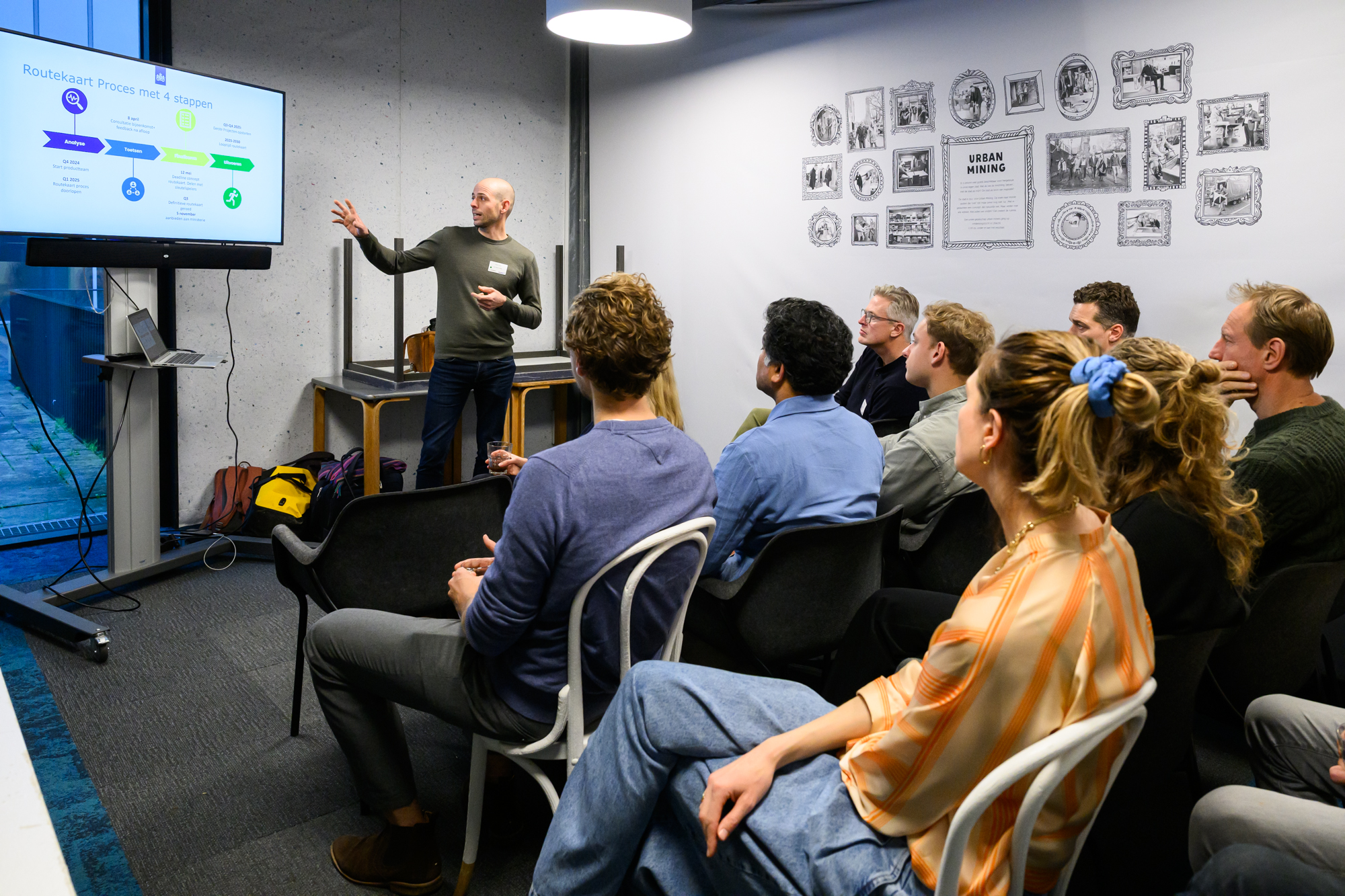
Businessrelevantie identificeren (Jeannette Levels, Circonnect)
Deze workshop gaf intermediairs en bedrijven handvatten om de twin transition te vertalen naar concrete businesscases. Aan de hand van tools en praktijkvoorbeelden verkenden deelnemers waar digitale innovaties circulaire strategieën versterken, en hoe organisaties waarde creëren via datagedreven ontwerpkeuzes en nieuwe marktproposities.
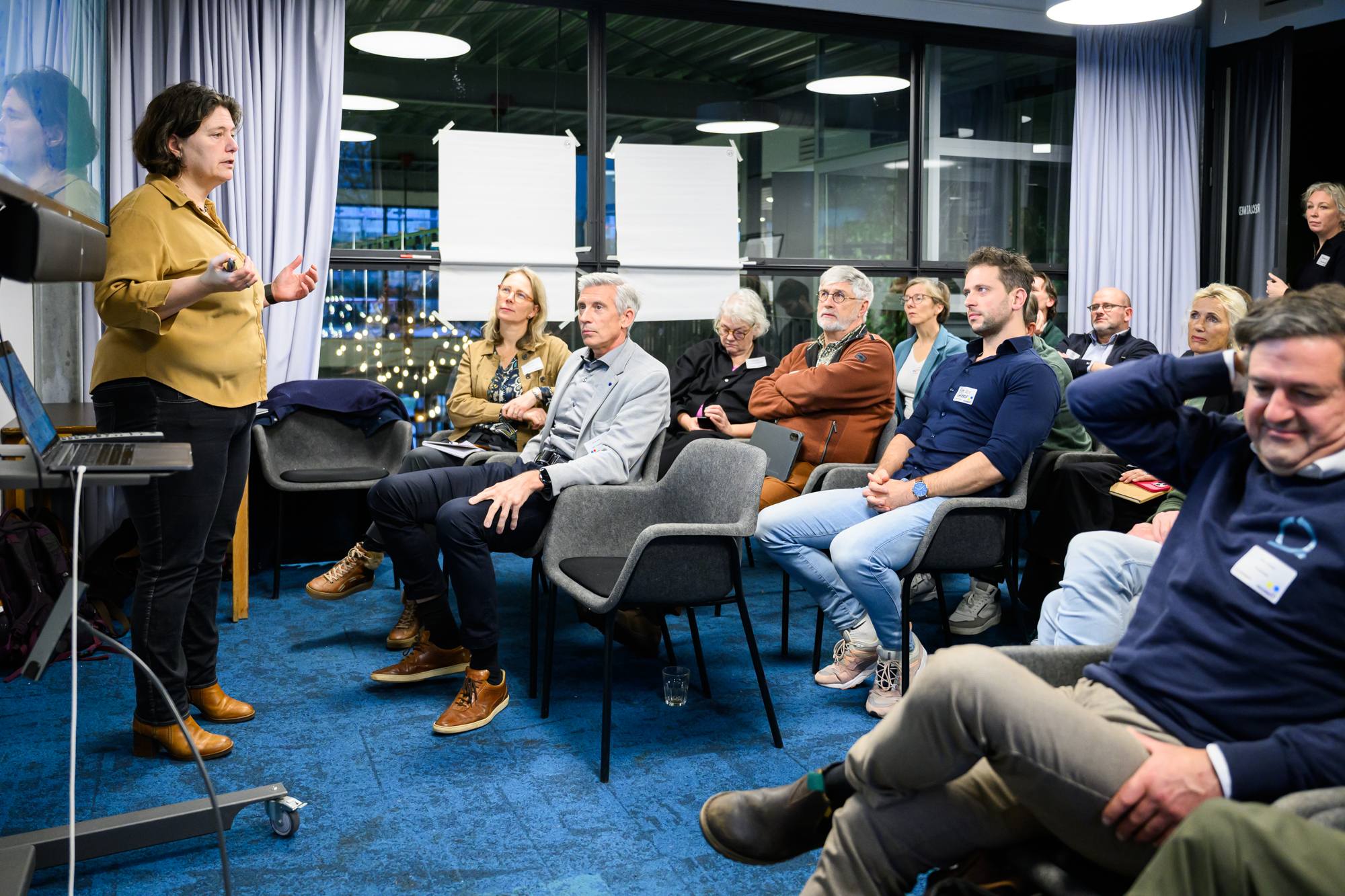
Samen Slimmer: data, design & automatisering voor de maakindustrie (Alex van Geldrop, OostNL & Jan Westra, EDIH)
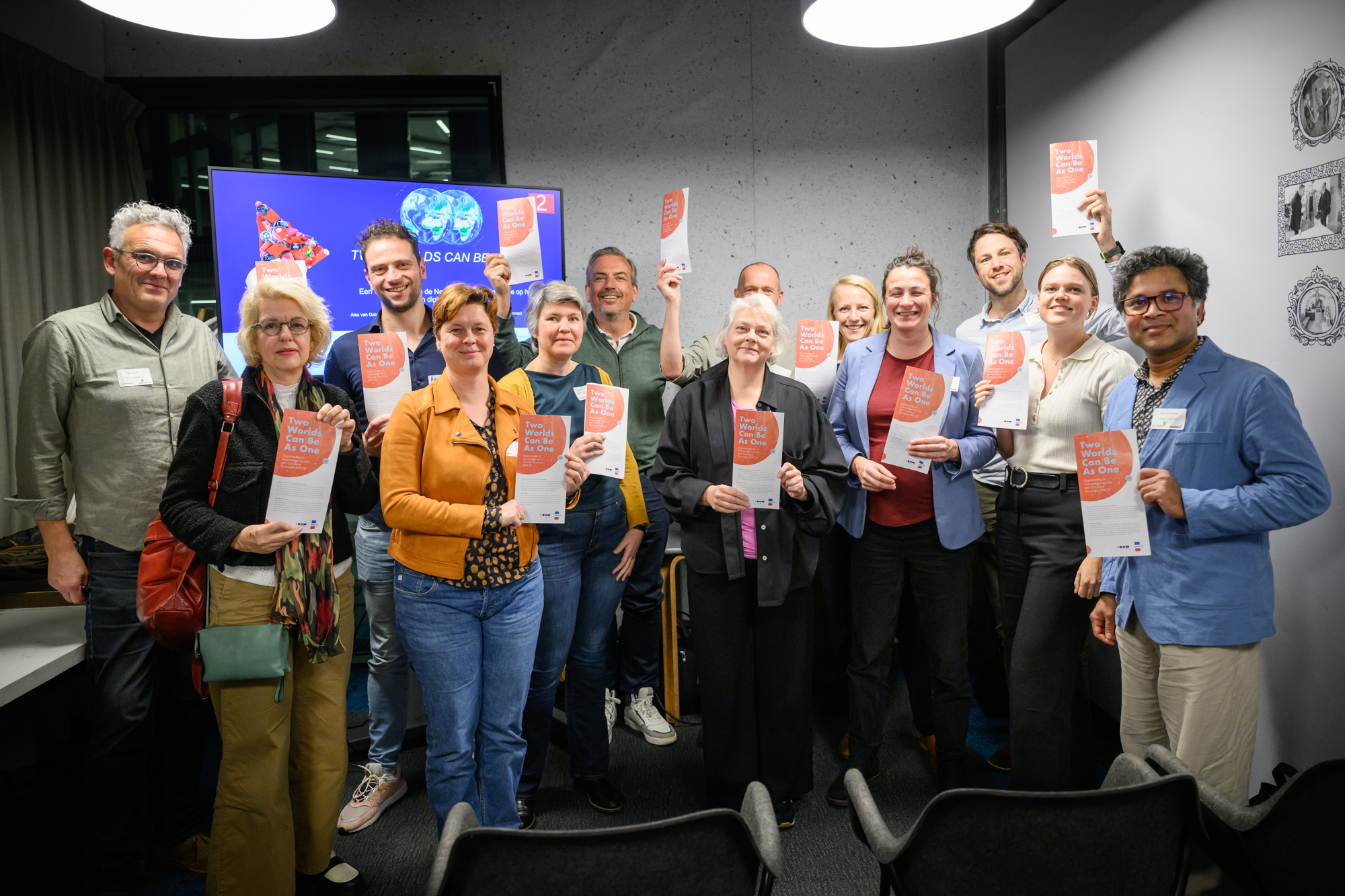
Op basis van 48 interviews met mkb-bedrijven werden drie “digitale circulaire knoppen” uitgelicht die de maakindustrie toekomstbestendig kunnen maken. De sessie liet zien hoe toeleveranciers fungeren als versnellers en welke bouwstenen nodig zijn voor de volgende fase van het DACE-programma. OostNL en BOM lanceerden samen de whitepaper: Two Worlds Can Be As One die laat zien hoe digitalisering bedrijven helpt om circulair te werken, en andersom.
Data als strategisch kapitaal voor je grondstof- & productpaspoort (Ad Kleinjans, VDL Group & Ingeborg Gort, Circonnect)
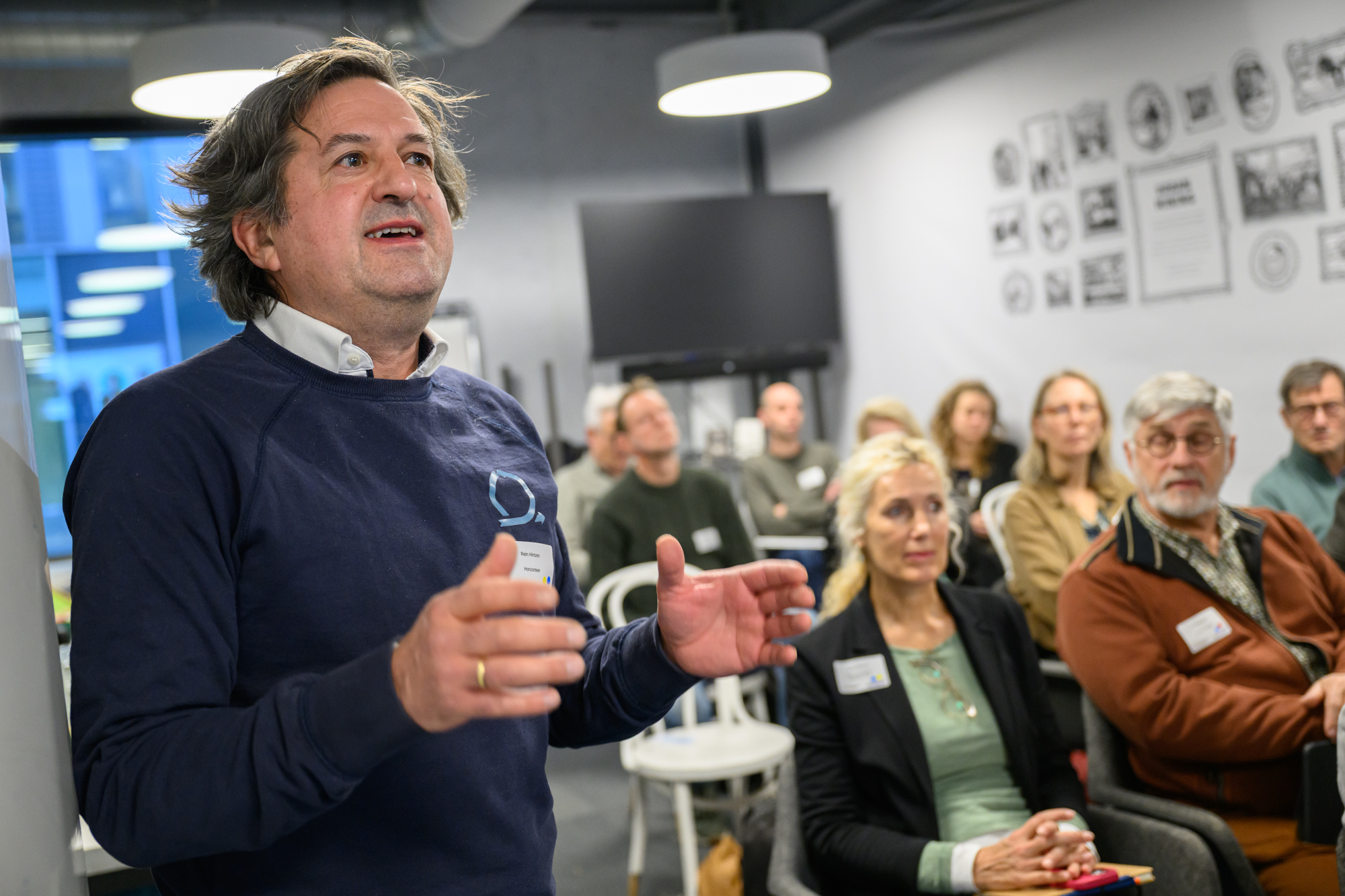
In deze workshop leerden deelnemers hoe product- en materiaaldata slim kunnen worden verzameld en vastgelegd. De belangrijkste les van Ad Kleinjans: ‘Begin gewoon. Als je nu start, dan ben je ieder jaar weer een stuk verder. Wanneer je wacht en blijft plannen, dan loop je straks achter de feiten aan.’ In de sessie ontdekten de deelnemers hoe het Grondstof- & Productpaspoort een fundament vormt onder toekomstige regelgeving én circulaire businessmodellen.
De transitie vraagt cultuur- én organisatieverandering
De netwerkdag liet zien dat de tweelingstransitie niet alleen een technologische uitdaging is, maar vooral ook een organisatorische en culturele. Organisaties die investeren in datakwaliteit, gedeelde standaarden en ketensamenwerking bouwen een toekomstbestendige positie op in een steeds circulairder wordende economie.